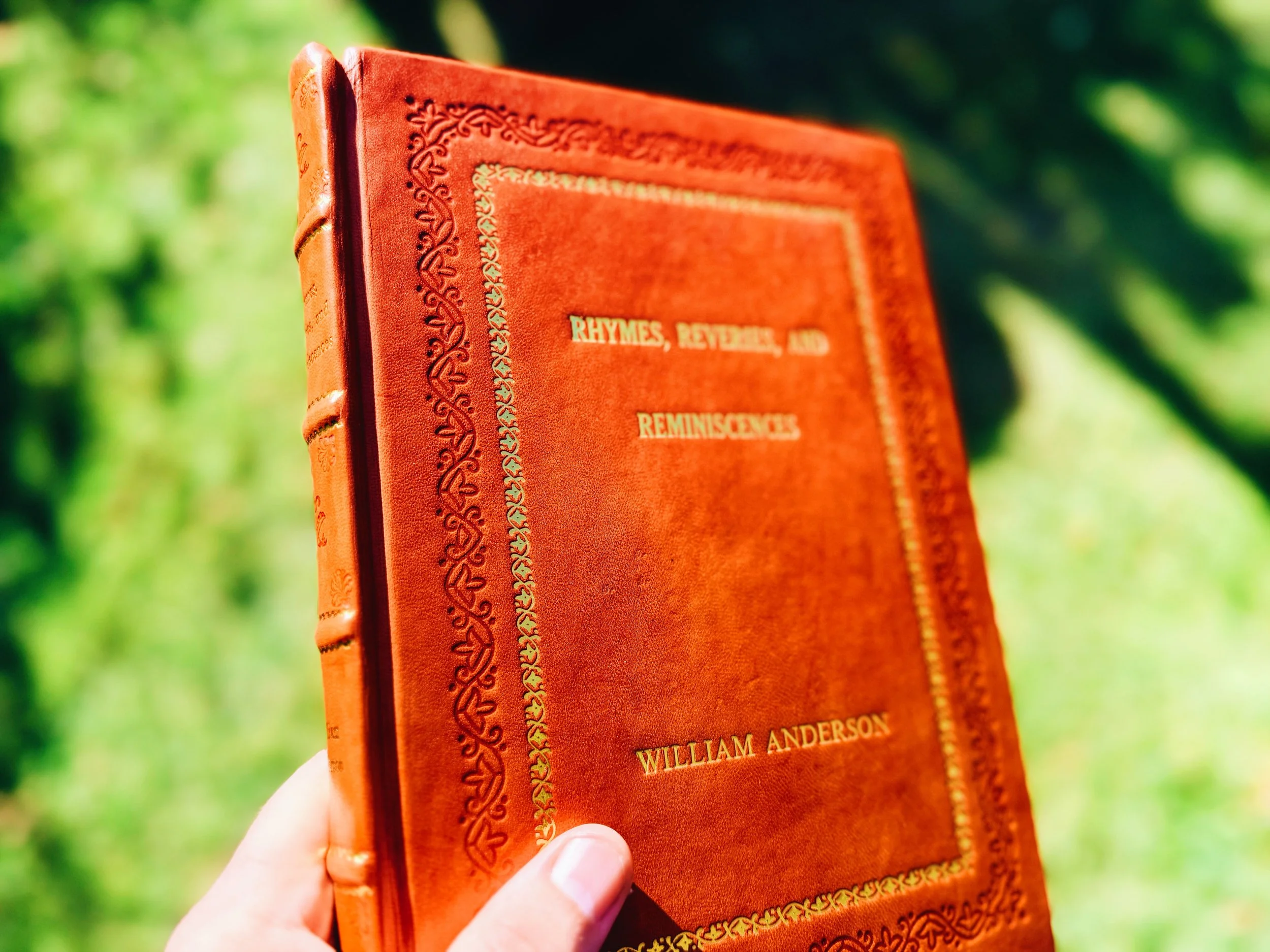
I always knew my 4x Great Grandfather, William Anderson, was an Aberdeen man. What I didn’t know was that he was something much more interesting: Aberdeen’s working-class policeman poet, whose writing became part of the city’s literary tradition. He wrote in the Scots of his community, capturing the people, places, humour and everyday life of nineteenth-century Aberdeen.
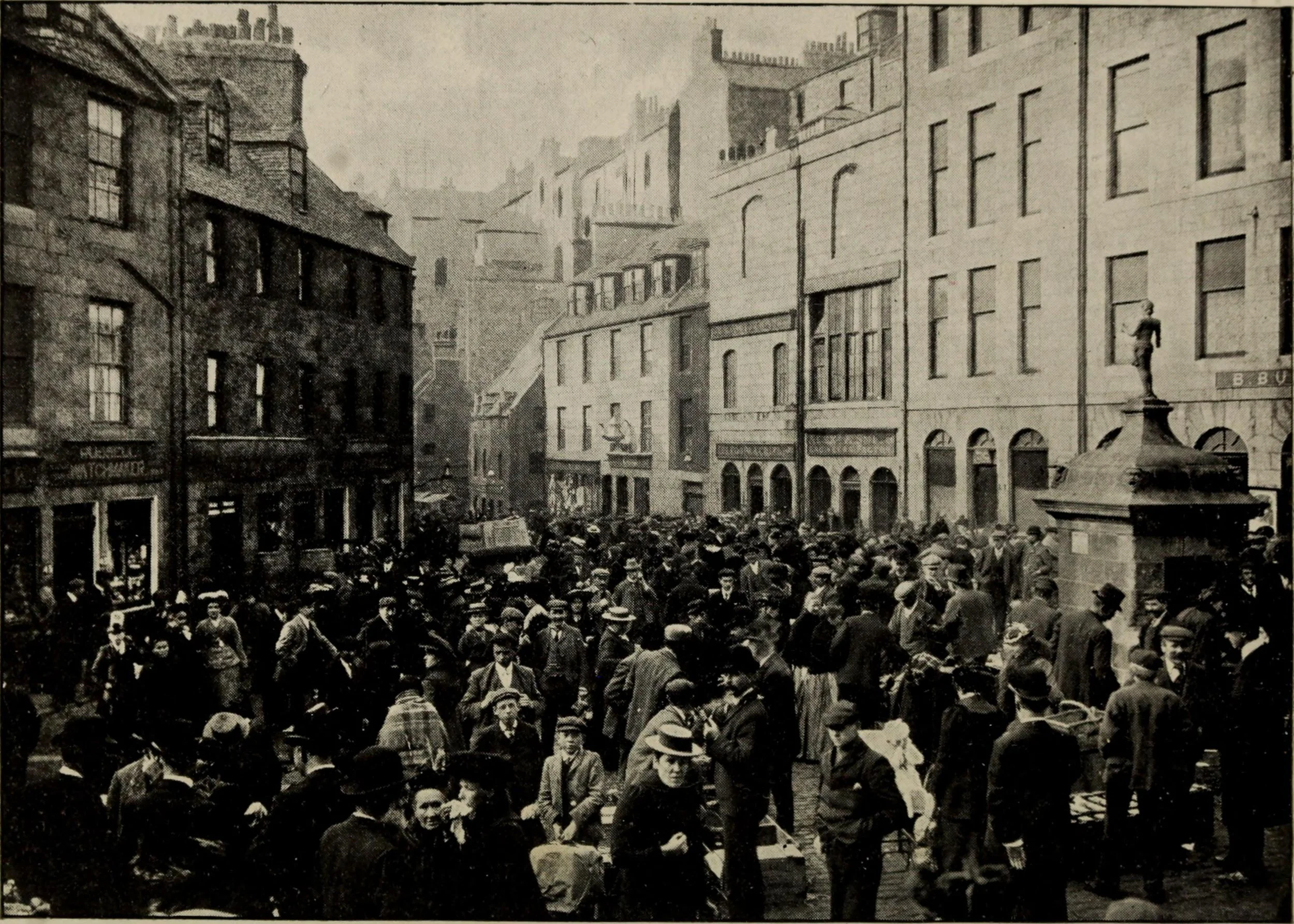
The Green, Aberdeen
William was born in the Green, Aberdeen, in 1802. His was not a privileged upbringing. His father, a carter, died when William was about 14, leaving a widow and four children. William was apprenticed as a cooper, learning a trade that was an important part of the working life of a busy port city. His early years were shaped by work and family hardship, rather than the comfortable circumstances traditionally associated with literary life.
When ill health forced him to give up coopering, William turned to weaving. He worked as a handloom weaver at the Windmill Brae factory, earning his living in the industrial world of nineteenth-century Aberdeen. In 1849, he exchanged the loom for a police uniform, joining the force operated by Aberdeen’s Harbour Commissioners. He subsequently joined the city police in 1860 and eventually rose to the rank of lieutenant - the 3rd most senior in the city. Prior to this role, however, he had another calling: poetry.
William had begun writing verse when he was young. After discovering the poetry of Allan Ramsay and Robert Burns, he was apparently so dissatisfied with his early efforts that he burned them. Fortunately, he eventually found the confidence to continue. His work attracted the attention of James Adam of the Aberdeen Herald, and he became a contributor to its poetry columns. In time, he established himself within the lively community of local writers who used the newspaper to share their work, entertain readers and engage in literary rivalries.
What makes Anderson particularly interesting is the language in which he wrote. Much of his poetry was composed in the Scots of Aberdeen, drawing on the speech, expressions and rhythms of the community around him. He wrote about love, nature, childhood, religion, memory and the changing city, but his greatest strength was perhaps his ability to capture ordinary people. His work was rooted in the world he knew, rather than an imagined Scotland populated by romantic heroes and distant historical figures.
William spent virtually his entire life in Aberdeen and knew its streets, countryside and inhabitants intimately. His writing recalls childhood adventures around the rivers Dee and Don: swimming, fishing, gathering wild fruit, exploring the countryside with friends and getting into mischief. He also remembered how familiar landscapes changed as walls and fences restricted access to places where children had once wandered freely. These recollections give his poetry a value beyond its literary merits. They preserve memories of how ordinary Aberdonians lived, played and experienced their surroundings almost two centuries ago.
He was also a remarkable observer of local character. His poems portrayed real people, capturing their appearances, personalities, occupations, eccentricities and reputations. Among the characters associated with his work were Benjie Kilgour, an ingenious jack-of-all-trades, and Blind Tibby Hogg, a formidable character associated with Windmill Brae and known for her argumentative nature. These were not figures from some distant past. They were people from Anderson’s own community, preserved in verse by someone who understood their world from the inside.
He also had a wicked sense of humour. One of the best-known episodes in Aberdeen’s local poetic culture was the exchange of rhyming insults between Anderson and fellow poet William Cadenhead in the Aberdeen Herald. Their rivalry included comic verses written in the voices of Aberdeen’s wells, including the Well of Spa and Firhill Well. It was local rivalry transformed into literary entertainment, and a reminder that nineteenth-century Aberdeen had a lively vernacular culture of its own.
In 1851, Anderson published Rhymes, Reveries and Reminiscences in Aberdeen. This was the first of two editions of his work, published during his lifetime. The collection brought together poems, sketches and reminiscences, including writing about the rivers, local characters, childhood and the places that shaped his life. It offers a fascinating glimpse of a city undergoing change, recorded by a man who had experienced its working life as a tradesman, a weaver and a police officer.
Following his death, a second edition was published, edited by his fellow Aberdeen poet William Cadenhead. Cadenhead had been part of Anderson’s literary world and was well placed to help preserve and present his work for another generation. The two editions therefore represent different stages in the story: Anderson publishing his own poetry while alive, and a fellow poet helping to carry his legacy forward after his death by subscription.
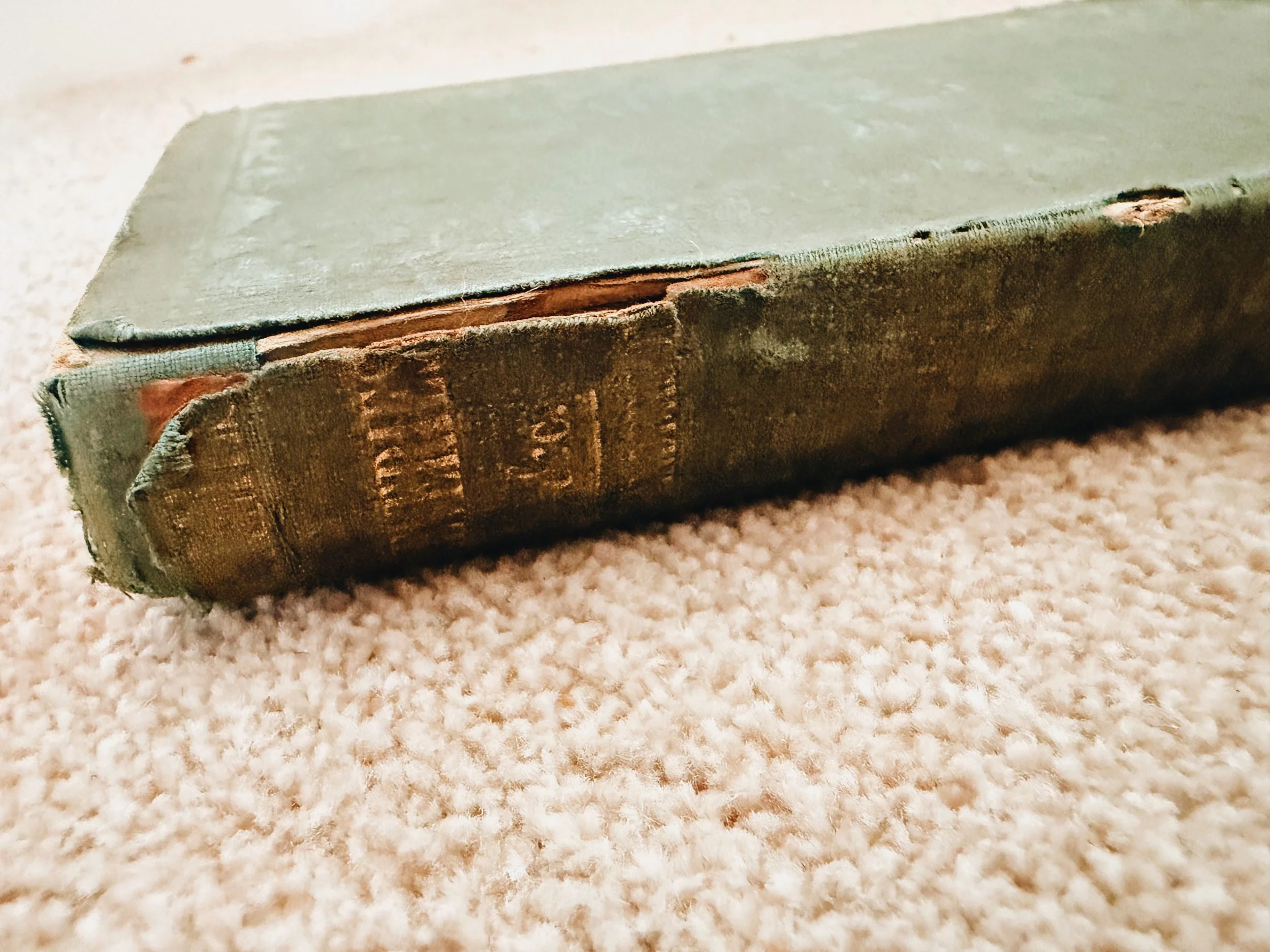
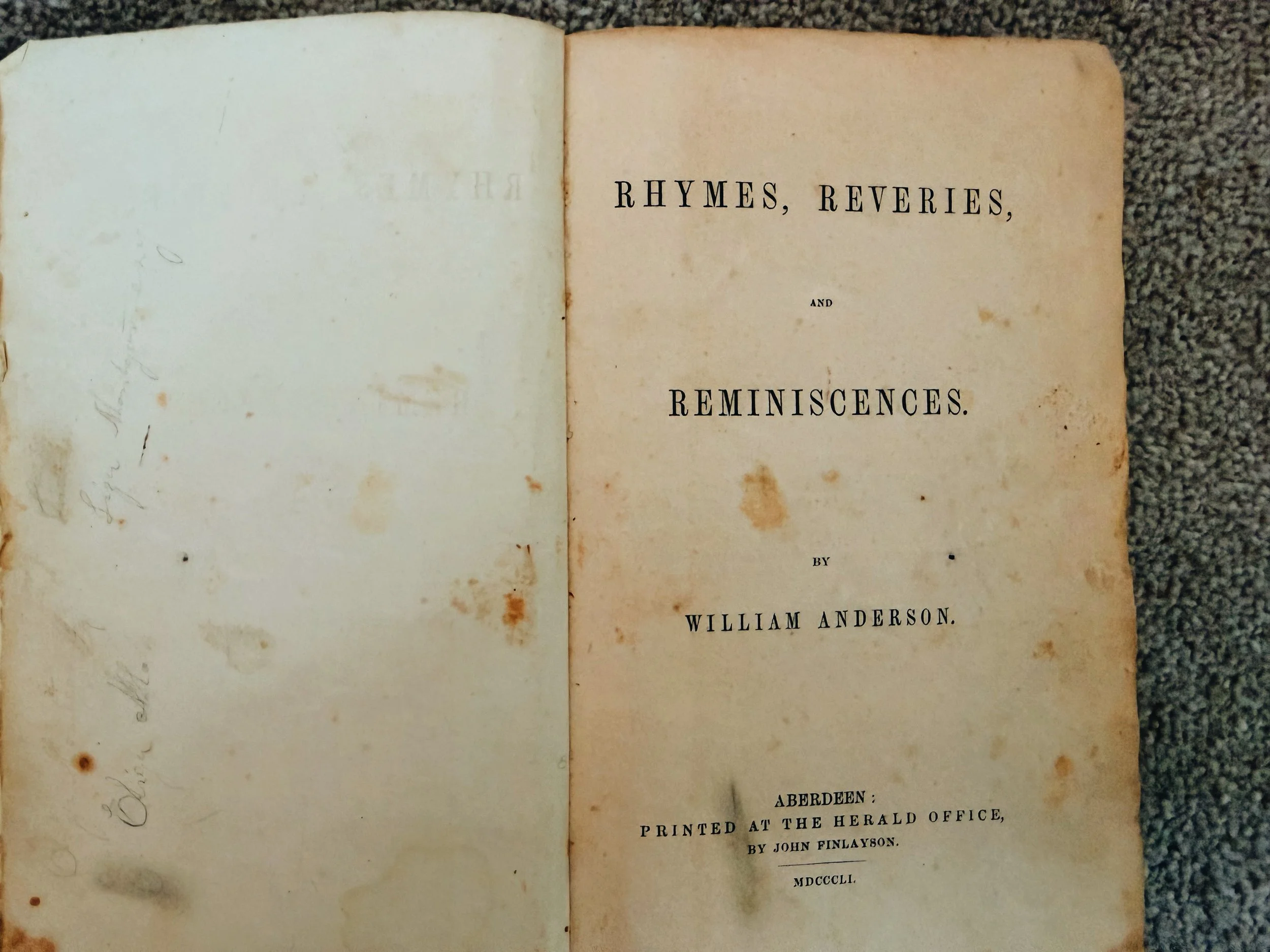
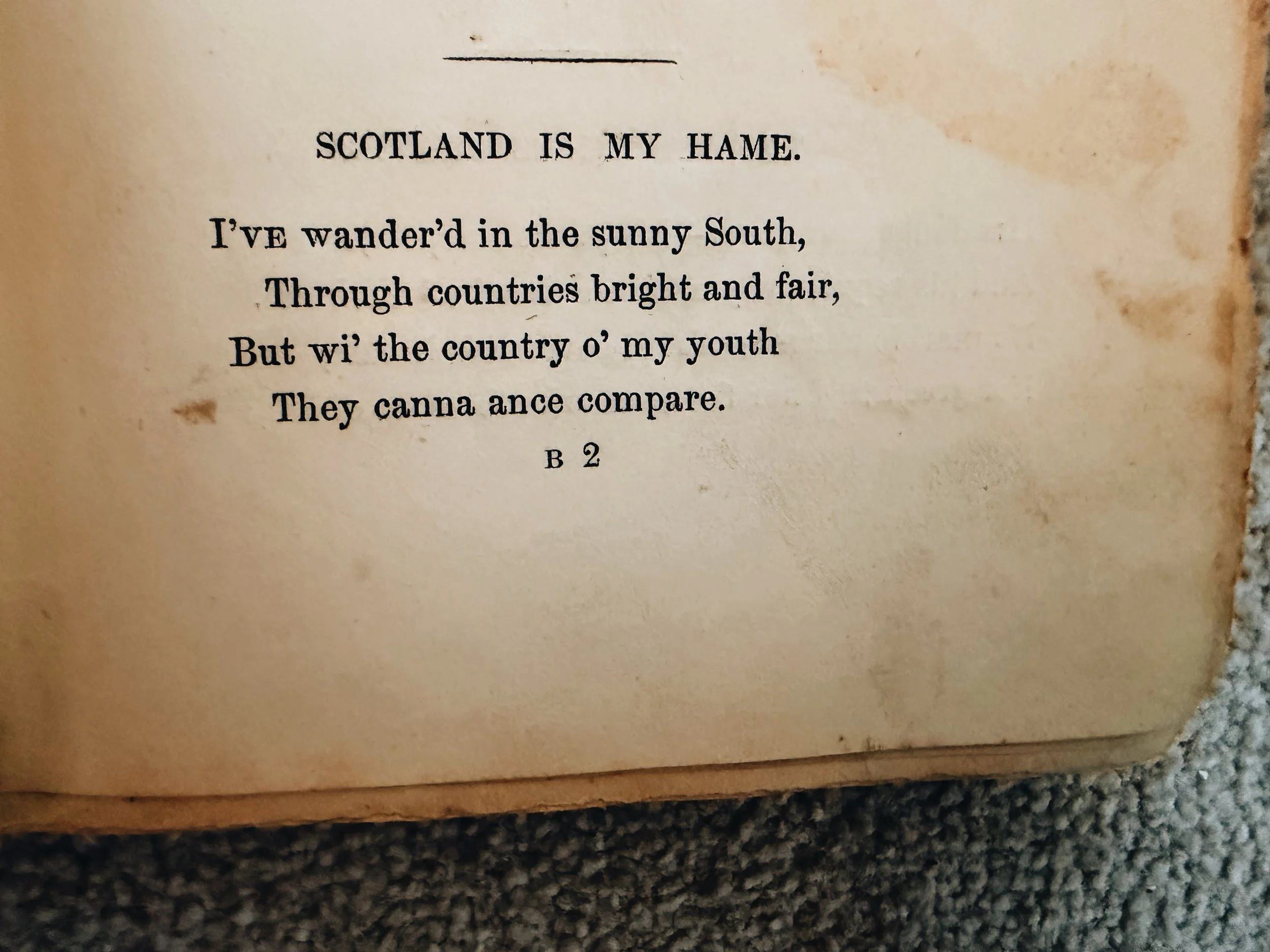
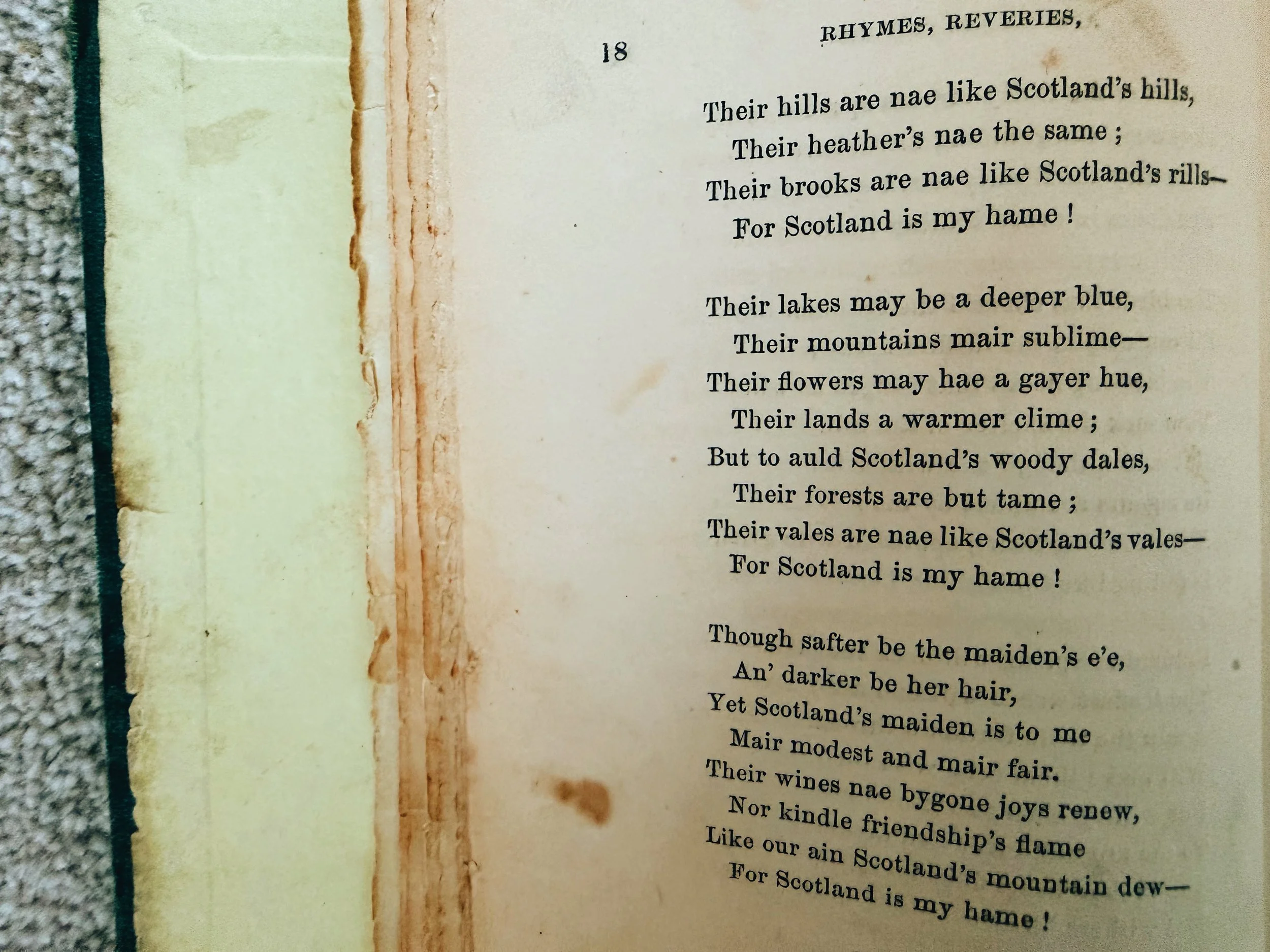
And this is where my own story takes an unexpected turn. By pure chance, I discovered an original copy of Anderson’s book for sale in the United States. A volume written and published by my ancestor in Aberdeen in 1851 had travelled across the Atlantic, surviving for nearly two centuries before appearing on the market. I couldn’t let that opportunity pass. Needless to say, it is now back in Scotland.
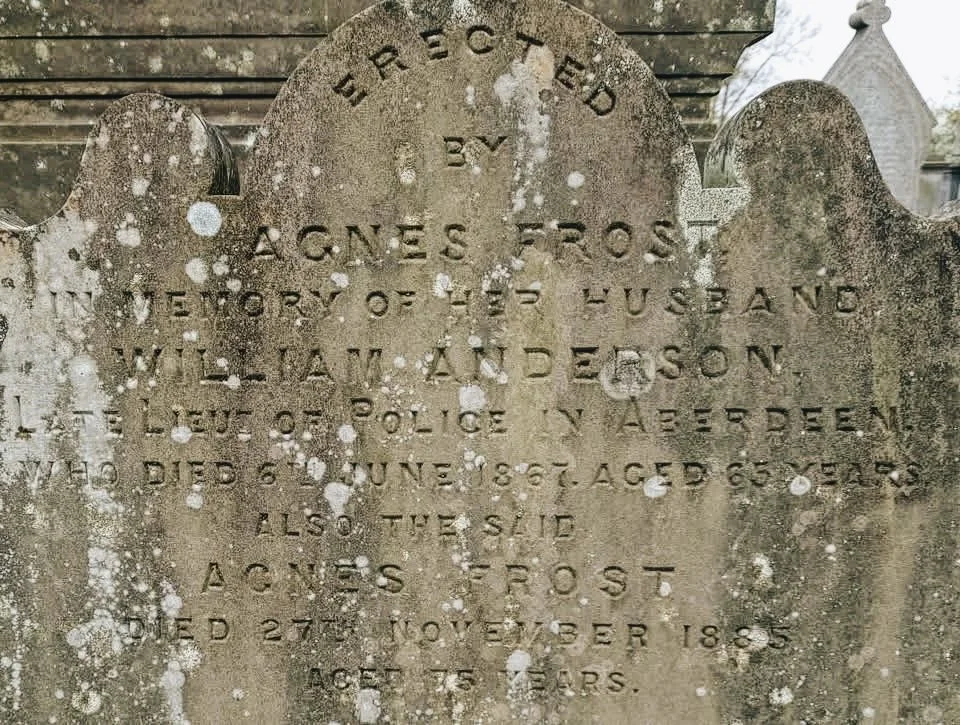
Perhaps the most moving indication of Anderson’s standing in Aberdeen’s literary world came after his death. Fellow poets wrote to the Aberdeen Herald with poetic tributes and laments, commemorating the man and his work. One tribute was written while its author stood at Anderson’s grave. That image has stayed with me: a fellow writer standing beside his grave, composing poetry in his memory. It suggests that Anderson was not simply someone who published verse. He was a member of a literary community whose peers felt his loss deeply enough to mourn him in the very form of expression they shared.
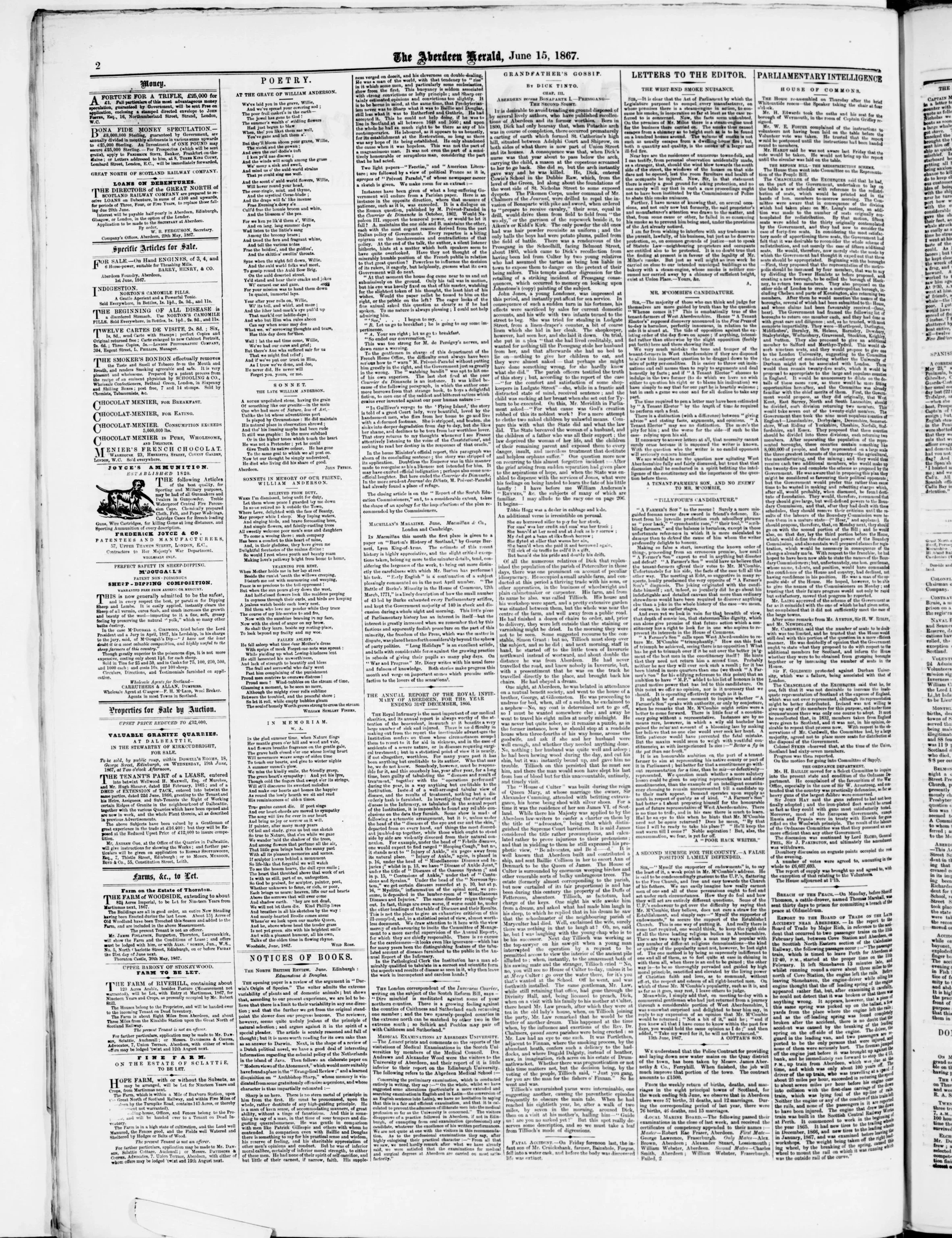
Tributes to William Anderson in the Aberdeen Herald upon his death in 1867.
That response matters because literary history can too easily concentrate on a small number of nationally celebrated names, overlooking the writers whose reputations were rooted in their own communities. Anderson was not a Burns-level figure in the Scottish literary canon, but he was a genuine voice in nineteenth-century Aberdeen’s vernacular tradition. His poetry spoke directly to people who recognised its language, its characters and the places it described.
William’s place in Aberdeen’s literary history is not something I’ve simply inferred from his surviving poems. He is written about in The Bards of Bon-Accord, a historical account of Aberdeen’s poets, which documents his life, his writing and his contribution to the city’s literary culture. It discusses his working-class background, his recollections of Aberdeen and the characters he immortalised in verse.
What I find so compelling is the combination of his life and his work. Here was a man who grew up in a working-class family, lost his father as a teenager, learned a trade, worked at the loom and served as a policeman, yet also became a published poet whose death prompted tributes from his fellow writers. He documented the world around him in the language of the people who lived in it, leaving behind a record of Aberdeen that might otherwise have been lost.
And somehow, this man is my ancestor. I started out knowing that William Anderson came from Aberdeen. I have discovered that he was part of its literary history: a working-class writer who captured his city in verse and whose fellow poets mourned him when he died. Some ancestors leave behind a name in a family tree. Mine left behind a book, a body of poetry and a place in the cultural memory of the city he called home.